Contact UsIntranet
RESEARCH HIGHLIGHTS
Chris Wong _2
LCF promo
world top 2 2024
Bio_1_c42941cba8
Qiu JW2
Chris Wong
Zhao ZY
Prof_Jianhua_Zhang_Achievement_4d2142c71a
Zhao Jun_V2
Allen Cheung
Qiu JW
Liao Pan
Lee  Chi Wai
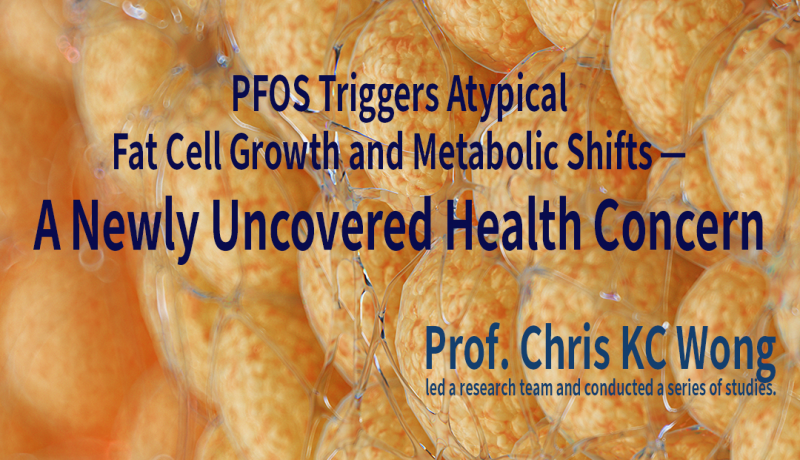
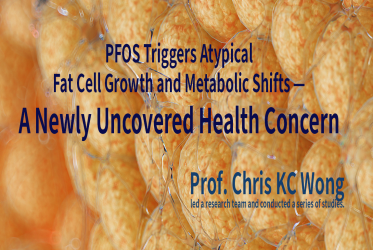
    PFOS Triggers Atypical Fat Cell Growth and Metabolic Shifts — A Newly Uncovered Health Concern
    Chris Wong _2
    PFOS Triggers Atypical Fat Cell Growth and Metabolic Shifts — A Newly Uncovered Health Concern

    PFOS Triggers Atypical Fat Cell Growth and Metabolic Shifts — A Newly Uncovered Health Concern


    To discover the impact of exposure to PFOS, a type of endocrine‑disrupting chemical that can be found easily in daily life, Professor Chris WONG and Dr Jamie WAN from the Department of Biology led a research team and conducted a series of studies. 

    In a recent study, the team explored how PFOS influences fat cell development and lipid metabolism in mouse 3T3-L1 preadipocytes. PFOS promoted the formation of fat cells, leading to increased oil droplets within cells and higher levels of markers such as PPARγ, perilipin, FABP4, LPL, CD36, FASN, and GLUT4. It also boosted hormones related to fat, such as adiponectin and resistin. Compared with troglitazone (TGZ), a well-known PPARγ activator, PFOS had milder effects on fat cell development. When combined, PFOS lessened TGZ's ability to promote fat cell formation, indicating they might interfere with each other. PFOS also influenced a type of RNA modification, m6A, by altering enzyme activity, suggesting that it regulates fat-related genes post-transcriptionally. Functional tests showed that PFOS maintained forskolin-stimulated fat breakdown (lipolysis) at normal levels, without slowing it. Interestingly, it increased metabolic markers, such as CPT1a, PDHK, and FGF21, and raised ATP levels in the PFOS group. These molecular changes hint at increased energy use or stress, even though the cells still resembled white fat cells. 

    Overall, these various effects probably stem from PFOS's impact on PPARγ signaling and m6A RNA modifications. By examining these mechanisms, the study helps us better understand potential metabolic risks associated with PFOS exposure. 

    The research findings have been published in Environmental Science and Technology Letters under the title “Perfluorooctane Sulfonate Induces an Atypical Adipocyte Phenotype: Promoting Adipogenesis and Thermogenesis via PPARγ Signaling and m6A RNA Modifications in 3T3-L1 Cells”.

    LCF promo
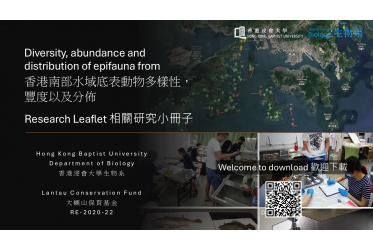
    Discover the hidden biodiversity of Southern Hong Kong waters!
    world top 2 2024
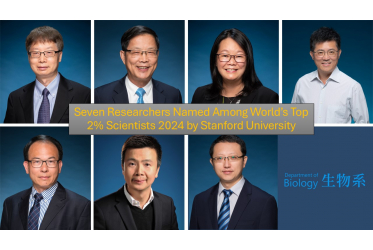
    Seven Biology Researchers Named Among World’s Top 2% Scientists 2024 by Stanford University

    Stanford University has acknowledged seven scholars from the Department of Biology at Hong Kong Baptist University as being among the world's top 2% most-cited scientists for 2024.


    List of Biology scholars named World’s Top 2% Scientists

    Prof. Li Jianming

    Prof. Wong Kong Chu Chris

    Prof. Xia Yiji

    Prof. Xiong Liming

    Prof. Zhang Jianhua

    Prof. Zhao Jun

    Dr.  Leung Oi Wah Anna
    Bio_1_c42941cba8
    Understanding Genome Evolution and Biodiversity through Host-Pathogen Interactions
    Qiu JW2
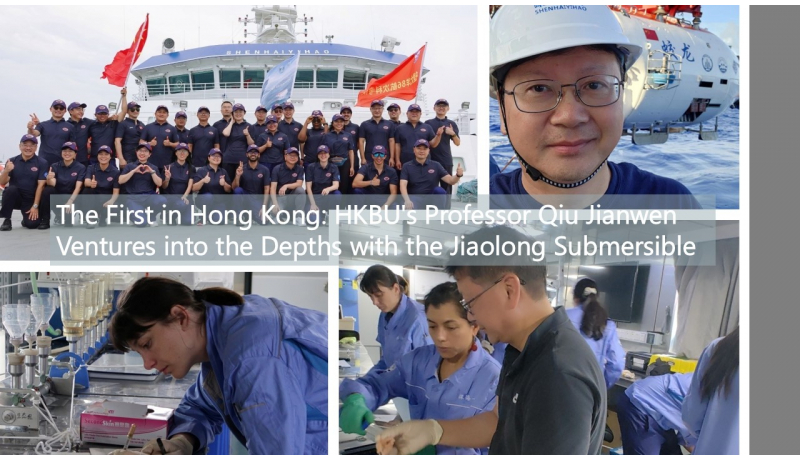
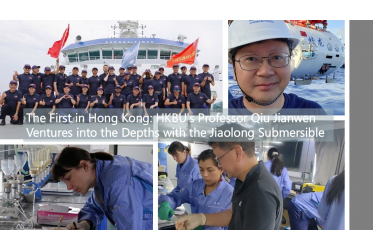
    The Firstin Hong Kong; HKBU's Professor Qiu Jianwen Ventures into the Depths with the Jiaolong Submersible
    Chris Wong
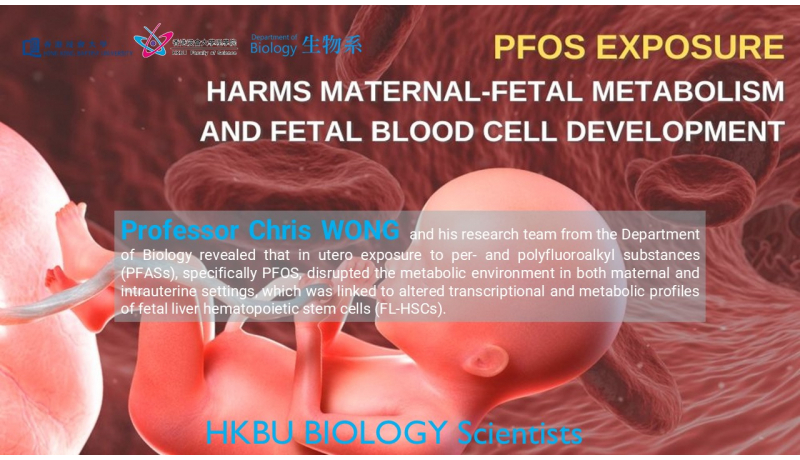
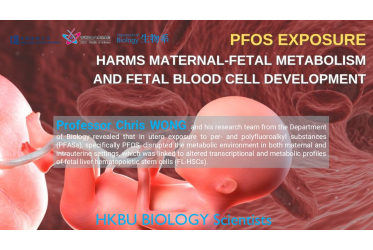
    PFOS Exposure Harms Maternal-Fetal Metabolism and Fetal Blood Cell Development
    Zhao ZY
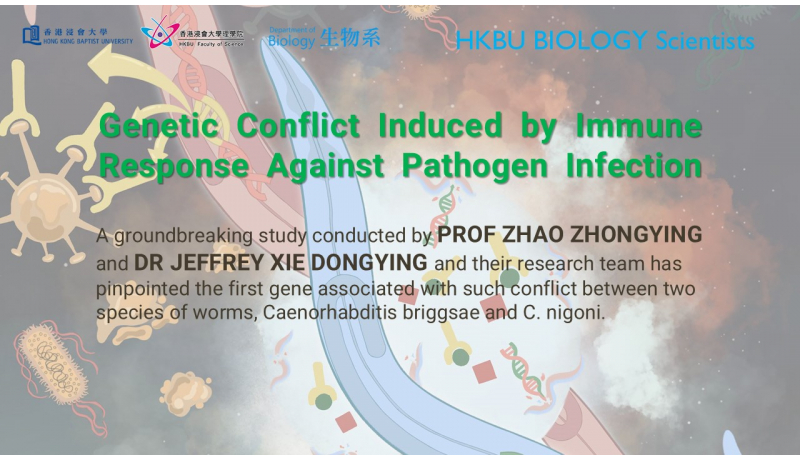
    Genetic Conflict Induced by Immune Response Against Pathogen Infection
    Prof_Jianhua_Zhang_Achievement_4d2142c71a
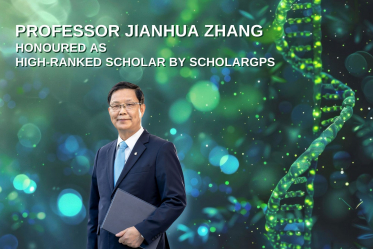
    Professor Jianhua Zhang Honoured as High-Ranked Scholar by ScholarGPS
    Zhao Jun_V2
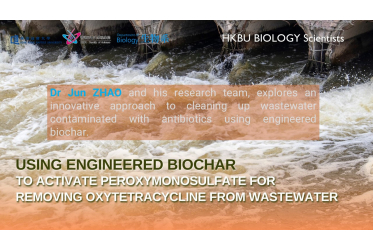
    Using Engineered Biochar to Activate Peroxymonosulfate for Removing Oxytetracycline from Wastewater
    Allen Cheung
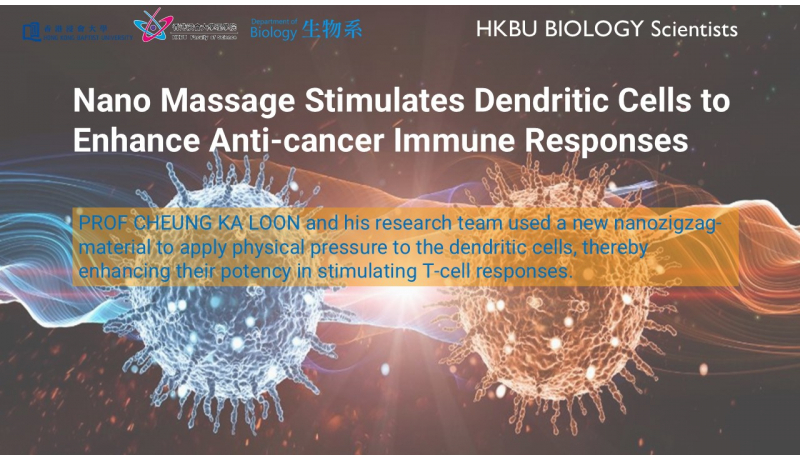
    Nano Massage Stimulates Dendritic Cells to Enhance Anti-cancer Immune Responses
    Qiu JW
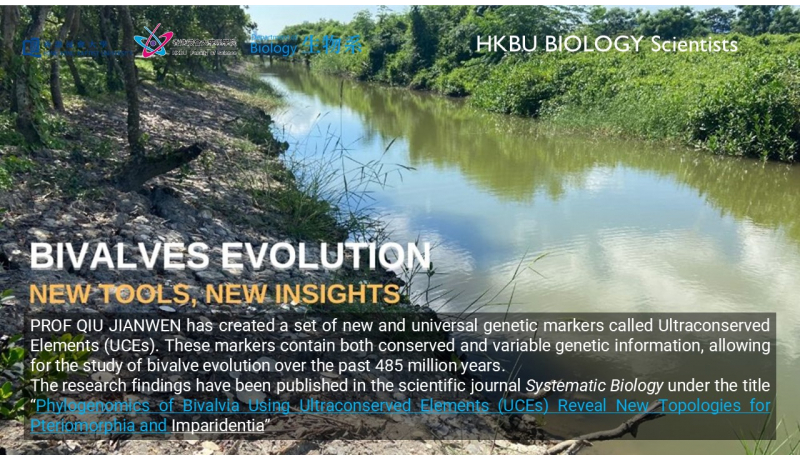
    Bivalves Evolution: New Tools, New Insights
    Liao Pan
    Developing New Strategies to Enhance Transcription Factor Activity for Creation of Novel Horticultural Crop Germplasm
    >>2